Stock Video vs Stock Photos in 2026: Where the Higher Earnings Are
By raof010 · Published October 19, 2026 · Updated October 19, 2026

One 4K stock video sale can pay what dozens, sometimes hundreds, of photo downloads pay. That tempts many contributors to abandon stills and go all-in on footage. But the top earners run the opposite math: photos sell in far higher volume, cost less time per asset, and build steadier monthly income. This guide breaks down the 2026 royalty math on Shutterstock and Adobe Stock, the production cost behind each format, and a practical framework so you can choose where to point the camera first.
The short answer: video pays more per sale, photos pay more often
Per download, stock video earns roughly 10 to 20 times what a stock photo earns on the same platform. 2026 contributor data puts average yearly revenue around $0.50 to $1.20 per photo versus $4.50 per HD clip and $6.75 per 4K clip.
Photos still dominate total download counts: far more design projects need images than video projects need footage.
Most high-earning contributors eventually sell both. The question is not which format to choose forever, but which one to start with and how to split your effort.
Stock video earnings in 2026: the royalty math
Adobe Stock pays a flat 35% royalty on video, applied to the net price of each licensed asset. There are no tiers to climb and no annual reset. What varies is the buyer's plan, so per-download earnings land in a wide range. Adobe's published US examples put video downloads at about $3.50 to $8.40 on subscription plans, $22.40 to $28.00 for HD on credit packs or on-demand, and $56.00 to $70.00 for 4K. You cannot control which plan your buyers use, so treat that table as a range, not a forecast.
Shutterstock pays video royalties on its own tiered track, separate from the photo track: 15% up to 40% across levels, with its own (lower) download thresholds per level, resetting to the entry level every January 1. Climbing the video track faster is one of the format's quiet advantages. There is a hard $0.10 minimum per download. For the full mechanics, see our breakdown of Shutterstock's six-tier royalty system and how the January reset works.
Pond5 is the price-it-yourself alternative: you set your own clip prices and earn 30% as a non-exclusive artist or 40% as an exclusive video artist.
One caution: agencies adjust plan pricing during the year, and the percentage is applied to the net price, not the list price. Always confirm current rates on the official contributor pages.
Stock photo earnings in 2026: the royalty math
Adobe Stock pays a flat 33% royalty on photos, illustrations, and vectors, with no tiers and no January reset. Per-download examples on subscription plans run roughly $0.33 to $3.30, with extended licenses paying $21 to $26. A minimum royalty floor of $0.33 to $0.38 per standard asset applies under large subscription plans, depending on your lifetime license volume. The $25 payout threshold means beginners see cash sooner.
Shutterstock pays 15% to 40% across six tiers based on annual downloads, resetting every January. Most subscription downloads land between $0.10 and $0.25 at the lower tiers, climbing with volume through the year. Enhanced licenses pay far more, but they are rare. The payout threshold is $35.
Average yearly revenue per photo sits around $0.50 to $1.20 in 2026 contributor data, which is why photo income is a volume game: meaningful monthly income needs hundreds or thousands of quality assets.
Per-sale vs per-year: the math that matters
One HD video sale on a credit pack ($22 to $28) equals roughly 25 to 80 subscription photo downloads on Adobe Stock, or over a hundred $0.10 to $0.25 Shutterstock downloads at low tiers.
One 4K sale ($56 to $70) can beat a full year of subscription downloads from an average photo.
But a 1,000-photo portfolio generating steady monthly downloads produces income every month, while a 20-clip footage portfolio can sit silent for months if the clips miss current demand.
The honest takeaway: video raises your ceiling per sale, photos raise your floor of monthly income. The royalty math rewards the asset that actually gets licensed, and discoverability is controlled by metadata quality, not by royalty percentages.
What video production actually costs you
Video's higher per-sale payout comes with a higher production cost per asset:
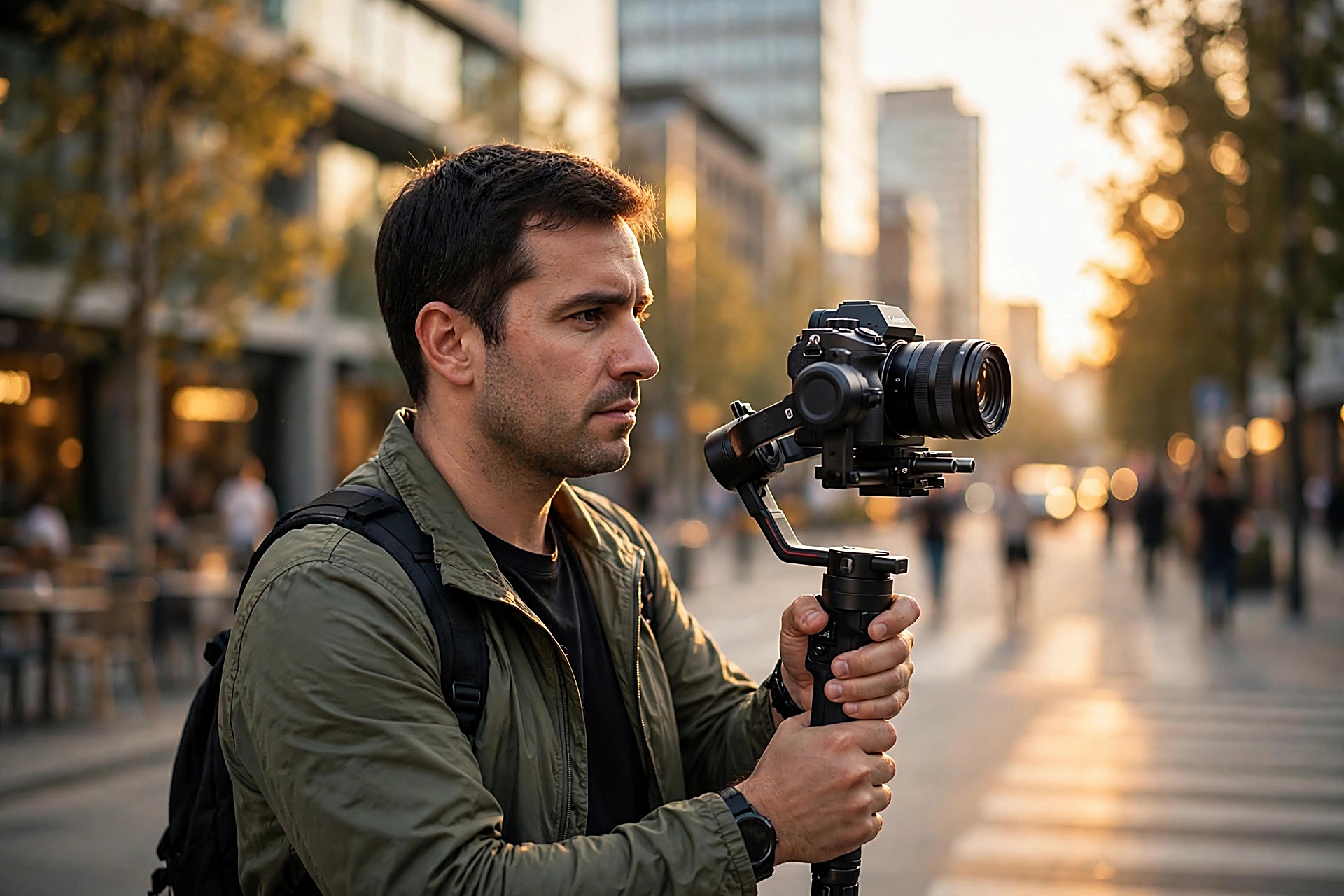
Gear: most modern mirrorless cameras already shoot 4K, so the camera is rarely the blocker. The real additions are a gimbal or tripod, an ND filter for daylight motion blur, and audio gear if you shoot dialogue or ambient sound.
File requirements: Shutterstock accepts QuickTime .mov or .mp4 clips between 5 and 60 seconds, up to 10 GB. Vertical resolutions including 1080 by 1920 are explicitly supported, which matters for the booming vertical-ad market. REC 709 is the preferred color space, and clips should carry no audio unless it genuinely enhances the content.
Time and review: grading, stabilization, trimming, and rendering multiply the hours a clip needs versus a photo from the same scene, and review queues move slower for video.
Skill: smooth camera movement, focus control, and exposure during motion take practice that stills never demanded.
Rule of thumb: one well-produced clip costs roughly the time of 10 to 20 photos. If your clips earn 10 to 20 times more per sale, that is a fair trade, but only if those clips actually sell.
What photo production costs you
Photos are cheaper and faster per asset in almost every dimension:
You can shoot hundreds of usable frames in a single outing and review them quickly.
No rendering, no grading pipeline, smaller files, simpler keywording per asset.
The volume strategy works: consistent uploaders reach meaningful monthly income through sheer portfolio size.
The pressure on photos comes from a different direction: generic imagery has been commoditized, and labeled AI-generated content floods the easy categories on Adobe Stock. The photos that still earn well are authentic, specific, and hard to generate: real people in real places, genuine moments, niche subjects.
Where video wins big in 2026
Video demand is strongest where motion is the message:
Authentic lifestyle clips: real people working, cooking, celebrating, exercising. Buyers pay a premium for genuine human moments over staged ones.
Business and technology: meetings, handshakes, devices, collaboration loops that play behind landing pages and presentations.
Vertical clips: 1080 by 1920 footage for social ads and reels is one of the fastest-growing buyer segments.
Drone and city footage: skylines, traffic flows, coastlines, shots no buyer can film on a deadline.
Real-world editorial footage: events, festivals, and street life that generative AI cannot fake. See our guide to real-world editorial footage and why it survives AI.
Where photos still win
High-volume niches: concepts, textures, backgrounds, flat lays, food, isolated objects. These sell daily and keyword easily.
Speed to income: a beginner can build a 500-photo portfolio in months; 500 quality clips is a multi-year project.
Lower barrier on gear and skill: any decent camera works, and the learning curve is gentler.
AI-resistant subjects: recognizable people, places, and events are protected by licensing rules that ban contributor AI uploads on Shutterstock entirely.
The decision: which should you shoot first?
Use this simple framework:
If you already own 4K-capable gear and enjoy video: start footage now. Upload your first 50 clips to Adobe Stock (flat 35%, no reset penalty) and mirror to Shutterstock. Track which clips license and shoot more of those.
If you are a beginner with a basic camera or phone: build photos first. Aim for 500 quality images with clean metadata, then add video from the same shoots as your skills grow.
If you shoot people for commercial stock: get model releases for both photos and video on every shoot. The legal requirements are identical, and one release gap can kill both assets. See our guide to model releases for both photos and video.
Shoot both from one outing: when you set up a scene for photos, roll 30 seconds of video before you pack up. Many contributors double their per-shoot output this way with almost no extra setup.
Watch the calendar: contributors plan Q4 and holiday uploads in October. Seasonal clips uploaded now can
Key Takeaways
Stock video earns roughly 10 to 20 times more per sale than stock photos, with 4K licenses paying $56 to $70 on Adobe Stock.
Stock photos sell in far higher volume and build steadier monthly income through large portfolios.
Adobe Stock pays a flat 33% on photos and 35% on video with no annual reset; Shutterstock pays 15% to 40% on separate tiered tracks that reset every January.
One well-produced clip costs roughly the time of 10 to 20 photos, so footage only wins if the clips actually license.
The strongest strategy for most contributors is photos as the income floor and video as the ceiling raiser, often from the same shoots.
FAQs
Is it better to sell stock video or stock photos in 2026?
It depends on your goal. Video pays far more per sale (roughly 10 to 20 times a photo download), but photos sell in higher volume and need less production time. Most successful contributors eventually sell both, starting with the format that matches their gear and skills.
How much does Adobe Stock pay for a video download?
Adobe Stock pays a flat 35% royalty on video: roughly $3.50 to $8.40 on subscription plans, $22.40 to $28.00 for HD on credit packs or on-demand, and $56.00 to $70.00 for 4K (US pricing). You do not control which plan the buyer uses.
How much does Shutterstock pay for stock footage?
Shutterstock pays video royalties on a separate tiered track running 15% to 40% based on annual downloads, resetting to the entry level every January 1, with a $0.10 minimum per download. Confirm current thresholds on Shutterstock's official schedule.
Can beginners make money with stock video?
Yes, but photos usually reach first income faster. A beginner can build a 500-photo portfolio in months; 500 quality clips takes far longer. Start with photos, then add video from the same shoots as you learn.
Do I need a release for stock video?
Yes. Model releases and property releases apply to video exactly as they do to photos. Get them signed on every shoot that includes recognizable people or private property.